Best Paper For Flyers: quick answer
best paper for flyers Best paper for flyers depends on the campaign purpose, distribution method, budget and desired feel. A mass-distribution flyer has different needs from a premium property launch or exhibition handout. This guide explains the practical decisions that affect price, timing, artwork readiness and campaign planning so a Singapore business can choose the right route without relying on vague “fast printing” claims.
Key takeaways
- Use a final print-ready PDF whenever the deadline is fixed.
- State size, quantity, printed sides, paper and the exact required time together.
- Standard 3–5 working day production is normally the best-value route when time allows.
- Same day, next day, rush, express and 24-hour options are checked against live capacity.
- Delivery and distribution timing should be planned separately from production completion.
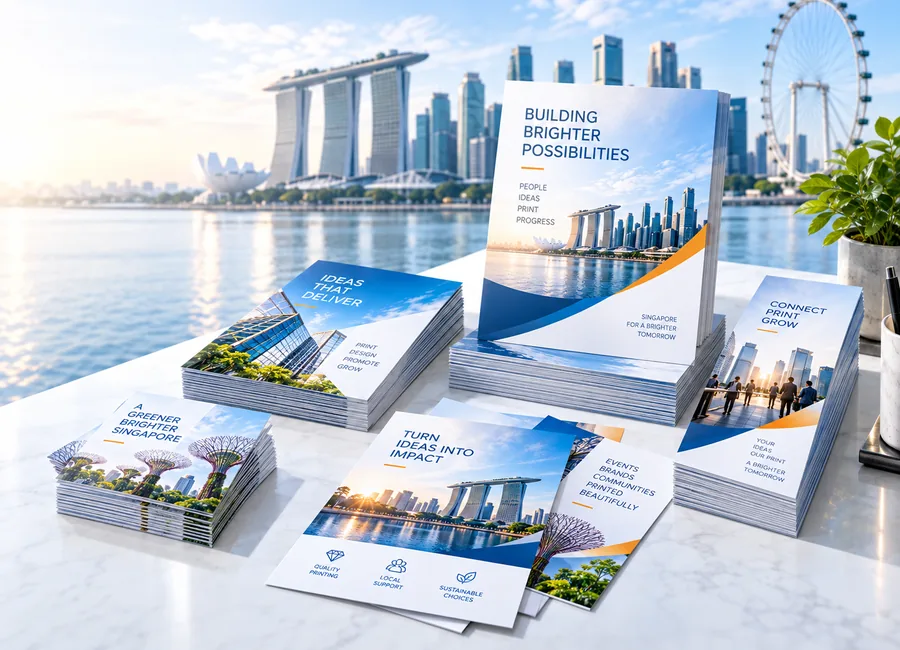
Best Paper For Flyers: key factors to check
Paper weight changes campaign economics
The difference between a lightweight stock and premium art card becomes significant on large quantities. Match the stock to how long the flyer needs to last and how it will be handled. For best paper for flyers, the safest approach is to confirm the real requirement first and only then lock the paper, quantity and production route.
Coated versus uncoated feel
Gloss stocks help photographs and strong colours appear vibrant, while uncoated paper feels more like stationery and is easier to write on. The artwork style should suit the surface. For best paper for flyers, the safest approach is to confirm the real requirement first and only then lock the paper, quantity and production route.
Do not over-specify for mass distribution
For letterbox or high-volume handouts, very heavy card can add cost and handling weight without improving response. Premium stock is more useful when the flyer is retained, handed over personally or positioned as a premium piece. For best paper for flyers, the safest approach is to confirm the real requirement first and only then lock the paper, quantity and production route.
Practical guide for best paper for flyers
Best Paper For Flyers: 80gsm for economical information-led campaigns
80gsm woodfree is lightweight and practical when the campaign is mainly about reach and cost. It feels similar to normal office paper and can be suitable for mass distribution, notices and information-heavy pieces where a premium finish is not essential.
105gsm and 128gsm for everyday promotions
105gsm and 128gsm coated stocks provide a smoother promotional feel without becoming too heavy. 128gsm is a popular balance for general business flyers because it feels noticeably more substantial than office paper while remaining practical for distribution.
157gsm for a stronger presentation
157gsm gloss has more body and can suit property launches, tuition campaigns, events, retail promotions and business handouts where presentation matters. It is still flexible enough for normal flyer use.
260gsm and 310gsm for premium handouts
Heavier art card is better for vouchers, postcards, premium handouts and pieces that should feel more durable. These stocks are not always the most economical choice for very large distribution campaigns.
Paper choice for urgent printing
If the deadline is critical, flexibility on paper can improve the chance of meeting the required timeline. State your preferred stock, but also tell the printer whether a suitable alternative is acceptable for a same-day or next-day job.
Match paper to distribution method
Letterbox campaigns often prioritise cost and handling. Showroom, event and sales handouts may benefit from a heavier stock. The paper should support the message rather than being chosen only because it is thicker.
For standard orders, start at Flyer Printing Singapore. If the deadline is tight, compare Urgent Flyer Printing Singapore, Same Day Flyer Printing Singapore, Next Day Flyer Printing Singapore, Rush Flyer Printing Singapore and Express Flyer Printing Singapore.
Common mistakes that make best paper for flyers harder
Sending incomplete specifications. A printer cannot accurately assess a job if the artwork, quantity or deadline is missing. Changing the file after approval. Every revision consumes part of the production window. Ignoring delivery time. A job completed on time can still arrive late if transport was not included in the plan. Choosing paper before deciding the campaign. The stock should support the distribution method and budget rather than being selected in isolation.
Another common mistake is using the word “urgent” without a real time. Write the exact requirement, for example “2,000 A5 double-sided flyers required at this postal code by 5pm tomorrow”. That single sentence is much easier to assess than several messages that only say “ASAP”.
7-point best paper for flyers ordering checklist
- Confirm the final message, dates, prices, phone numbers and QR codes.
- Export one final print-ready PDF with bleed and suitable image resolution.
- State A6, A5, A4, DL or the exact finished size.
- Confirm quantity and whether printing is single- or double-sided.
- State the preferred paper, or say if a suitable alternative is acceptable.
- Give the exact completion or delivery deadline as a date and time.
- Include the destination postal code and distribution plan when relevant.
Following this checklist makes best paper for flyers easier to quote, schedule and deliver accurately.
Best Paper For Flyers FAQs
Is 128gsm good for flyers?
Yes. 128gsm gloss is a popular general-purpose promotional stock.
Is 157gsm better than 128gsm?
157gsm feels more substantial, but 128gsm may be more economical for larger quantities. The better choice depends on the campaign.
When should I use art card?
Use heavier art card for premium handouts, postcards, vouchers or pieces that need more rigidity.
How do I get a fast quote from Flyer.sg?
Send the final artwork, finished size, quantity, printed sides, paper preference, delivery postal code if required and the exact deadline through WhatsApp. A complete brief helps the production team assess the fastest realistic option.
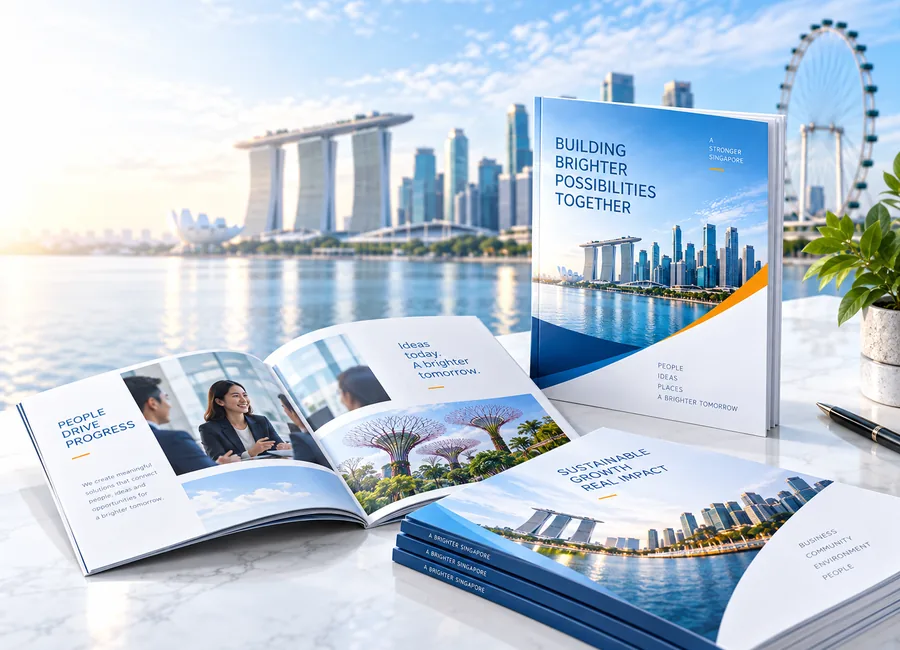
Choose paper based on how the flyer will be used
Paper weight affects both the feel of the flyer and the total campaign cost. Lightweight stocks are practical for high-volume distribution, while 128gsm and 157gsm gloss provide a more substantial promotional feel. Heavier art card is better suited to premium handouts, vouchers and pieces that are expected to be kept.
Do not over-specify mass-distribution flyers
Very heavy paper can add cost and handling weight without improving response for a simple neighbourhood campaign. Use premium stock when presentation and retention matter, not simply because a heavier number sounds better.
Useful Flyer.sg services
Practical Summary
Best Paper For Flyers: quick planning checklist
best paper for flyers is easier to plan when the campaign specification and deadline are confirmed together. Before ordering, check the final artwork, finished size, quantity, printed sides, preferred paper and whether delivery or distribution is part of the job.
- Artwork: final PDF, correct size, bleed, contact details and QR codes checked.
- Quantity: matched to the real audience or distribution coverage.
- Paper: selected for budget, handling and presentation rather than weight alone.
- Turnaround: standard 3–5 working days when time allows; urgent options checked against live capacity.
- Deadline: state the exact completion or arrival time instead of only saying “ASAP”.
Continue with Flyer Printing Singapore, compare Urgent Flyer Printing Singapore, or browse the Flyer.sg printing guides for related topics.
Frequently Asked Questions
Is 128gsm good for flyers?
Yes. 128gsm gloss is a popular general-purpose promotional stock.
Is 157gsm better than 128gsm?
157gsm feels more substantial, but 128gsm may be more economical for larger quantities. The better choice depends on the campaign.
When should I use art card?
Use heavier art card for premium handouts, postcards, vouchers or pieces that need more rigidity.
Keep Reading
Related Flyer Printing Guides
Flyer Artwork Checklist Singapore: 10 Checks Before You Send to Print
Ten practical artwork checks that reduce avoidable printing delays and help urgent jobs move faster.
Read guide →128gsm vs 157gsm Flyers: Which Paper Should You Choose?
A practical comparison of 128gsm and 157gsm gloss flyer paper for common Singapore campaigns.
Read guide →
Flyer Printing Cost Singapore: 7 Price Factors Explained
Flyer printing cost Singapore depends mainly on size, paper, quantity, printed sides and turnaround. Standard 3–5 working day jobs can be compared…
Read guide →